 Claim your online FREE Delivery or Shipping today! Expires in

Description
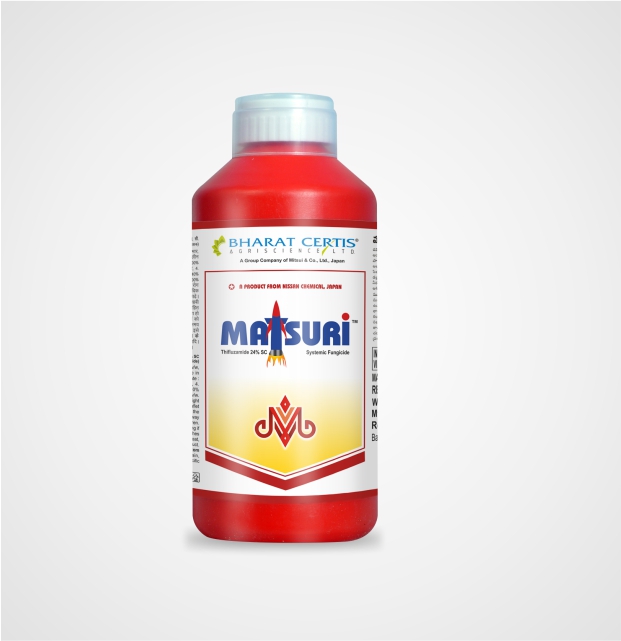
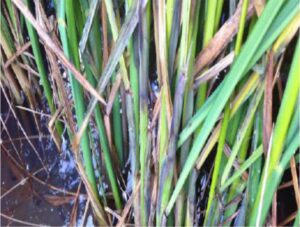
Matsuri is a systemic fungicide with both preventive and curative action. It is highly effective in controlling sheath blight diseases in Rice.
Technical Name
Mode of Action:
Preventive and curative
Features and Benefits of Matsuri:
Matsuri belongs to carboxinil group.
It inhibits the fungal growth and does not allow the mycelium of fungi to grow.
Matsuri acts both as preventive (before the appearance of the disease) & Curative (after the appearance disease).
It has excellent systemic activity and moves upward & downwards in the plant system.
Due to its longer persistence in the plant it gives longer control.
It also prevents the lodging of crops.
Matsuri can be mixed with other Fungicides and Insecticides.
Recommendation
Packing available: 75 ml, 150 ml, 500 ml, and 1 ltr.
| Crop | Target Disease | Dose/Acre | Dilution in (ml)Water (L/acre) | Waiting Period (Days) |
|---|---|---|---|---|
| Rice | Sheath Blight(Rhizoctonia solani) | 150 | 200 | 28 |
| Tomato | Early blight | 200 | – | – |
| Potato | Black Scurf | 2.5ml/10kg Potato tuber | – | Used as a seed treatment |
Identify, Target, Safeguard
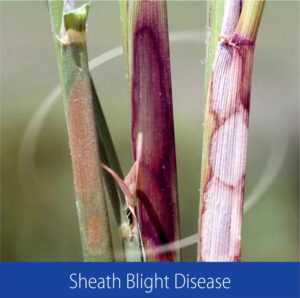
What is Sheath Blight?
Sheath blight is a fungal disease caused by Rhizoctonia solani.
-
- Infected leaves dry out and die more rapidly. Young tillers can also be destroyed.
-
- Sheath blight develops quickly during flowering when the paddy canopy is most dense, forming a microclimate favorable to fungus growth and spread.
-
- Sheath Blight presence during panicle initiation or flowering causes a reduction of total seed weight due to lower percentage of filled spikelets
- Sheath blight causes significant quality and yield losses in paddy.
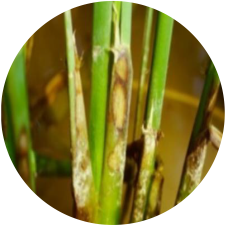
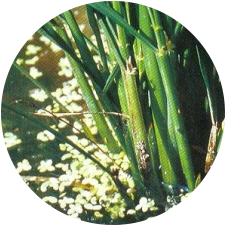
How To Identify Sheath Blight?
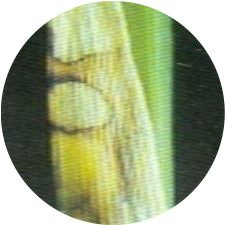
Oval greenish gray lesions, usually 1-3 cm long, on the leaf sheath, initially just above the soil or water level


Reviews
There are no reviews yet.