 Claim your online FREE Delivery or Shipping today! Expires in
Description
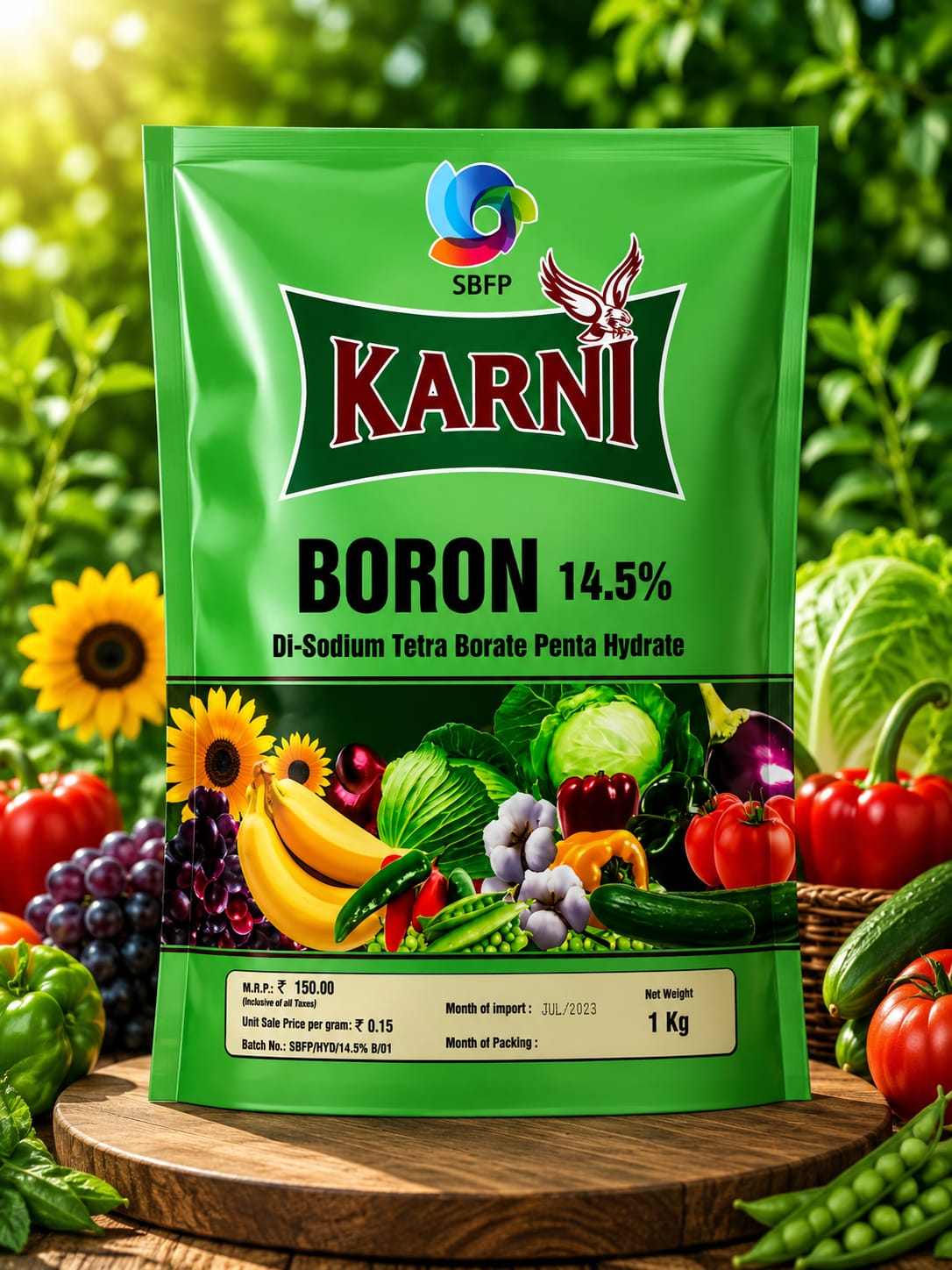
Boron 14.5% usually refers to boric acid or disodium octaborate tetrahydrate (DOT) fertilizers that contain 14.5% water-soluble boron. It’s one of the most common B fertilizers used in agriculture.
Here’s why farmers use it:
1. Core benefits for crops
– Cell wall & membrane strength: Boron is critical for calcium uptake and pectin formation. Without it, cell walls collapse → hollow stems, cracked fruits.
– Reproductive development: Biggest impact is on flowering and fruit set. B is needed for pollen tube growth. Low B = poor pollination, flower drop, seedless fruit.
– Sugar transport: B helps move sugars from leaves to growing points and fruits. That means better fruit size, sweetness, and grain fill.
– Root development: Promotes strong root tips and root hair growth. Better roots = better drought tolerance and nutrient uptake.
– Nitrogen metabolism: Helps with N use efficiency and protein synthesis.
2. Crops that respond best to B 14.5%
Boron demand varies a lot. These are “high-B” crops where deficiency hits hard:
Crop Common Deficiency Symptoms Benefit of B 14.5%
*Oilseeds* Canola/rapeseed: hollow stem, fewer pods More pods, higher oil content
*Fruits* Apple: cork spot, bitter pit. Citrus: hard fruit, gum pockets Better fruit shape, fewer internal defects
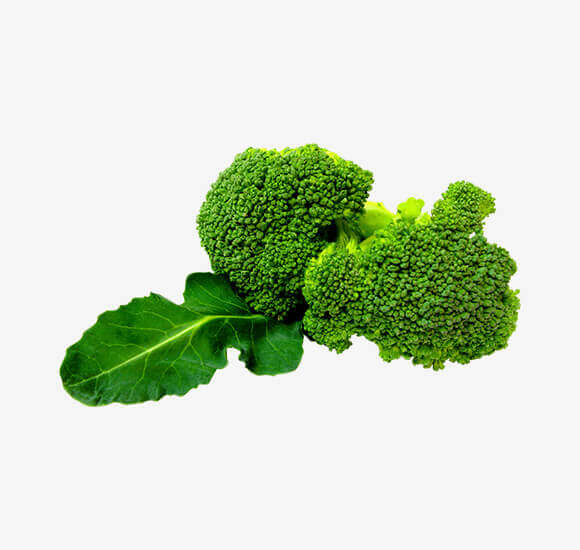
*Vegetables* Cauliflower/broccoli: hollow stem, brown curd. Beetroot: heart rot Solid heads, no internal browning
*Cotton* Square shedding, boll shedding Better boll retention, higher yield
*Alfalfa* Yellow top, stunted growth More regrowth after cutting
*Coffee* Dieback of shoot tips, fewer berries Better berry set
3. Why 14.5% specifically?
1. High solubility: DOT with 14.5% B dissolves fast in water. Good for foliar spray and fertigation.
2. Lower salt index: Safer for foliar application vs borax 11% that can burn leaves.
3. Easy dosing: 1 kg of 14.5% B product = 145g actual B. Makes rate math simple.
4. Typical application rates
Boron has a narrow range between deficiency and toxicity, so rates are low:
Method Rate Timing
*Soil* 0.5-2 kg B/ha = 3.5-14 kg product/ha Pre-plant or at planting. Don’t apply every year on sandy soils
*Foliar* 0.1-0.25% solution = 1-2.5g/L water. Use 200-500g product/ha Pre-flowering + fruit set stage. 2 sprays often best
*Fertigation* 0.5-1 kg product/ha Split during critical growth stages
5. Key cautions
1. Toxicity risk: Most crops get toxic above 3-5 ppm soil B. Sensitive crops like beans, cereals, and citrus burn easily. Always do a soil test first.
2. Don’t mix with: Highly alkaline sprays or pesticides with lime. It can precipitate.
3. Leaching: B is mobile in soil. On sandy soils with heavy rain, split applications work better than one big dose.
Bottom line for farmers
Use B 14.5% if your soil test shows <0.5 ppm hot-water extractable B, or if you’re growing a high-demand crop like canola, cotton, alfalfa, or fruiting vegetables. The biggest ROI is usually from 1-2 foliar sprays at flower/fruit initiation.
What crop are you thinking of using it on? I can give you the exact timing and rate so you don’t risk toxicity.


Reviews
There are no reviews yet.